Blog · RR Schuhmacher - Clínica Médica de Ultrassonografia
O que é o ultrassom com Doppler e quando ele é indicadoWhat is a Doppler ultrasound and when is it recommended
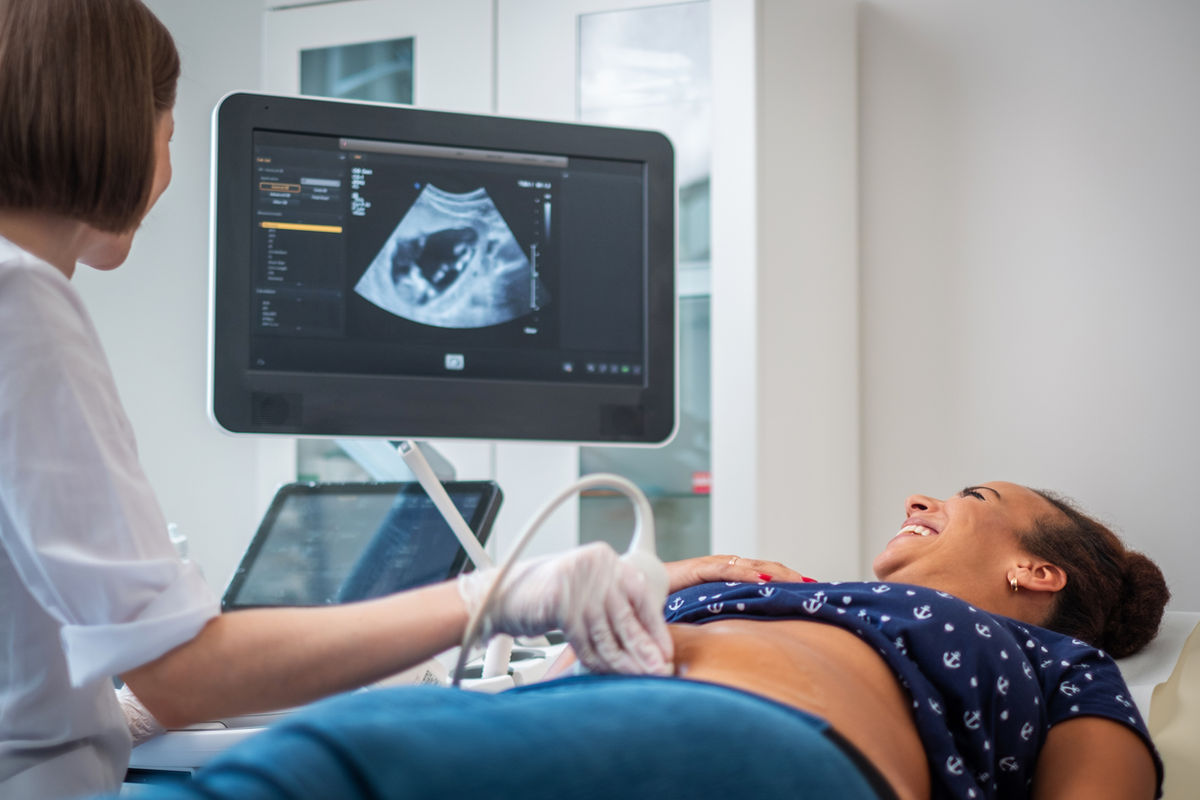
Quando o pedido médico traz a palavra "Doppler" ou "ecodoppler", muita gente fica na dúvida sobre o que muda. A resposta é simples: o Doppler é o ultrassom com um recurso a mais — a leitura do fluxo de sangue.
Ultrassom que mostra o sangue em movimento
No ultrassom comum, vemos a forma e a textura dos órgãos. O Doppler acrescenta a informação de como o sangue circula dentro dos vasos e órgãos: a direção, a velocidade e se há algum ponto de estreitamento ou obstrução. Por isso ele aparece com cores na tela — cada cor representa o sentido do fluxo.
Exames de Doppler mais comuns
- Carótidas e vertebrais, que avaliam a circulação que leva sangue ao cérebro.
- Membros inferiores, arterial e venoso, úteis na investigação de varizes, tromboses e dores nas pernas.
- Aorta, artérias ilíacas e artérias renais.
- Doppler de tireoide, de mamas e da bolsa escrotal, entre outros.
Precisa de preparo?
Depende do exame. O Doppler dos vasos do pescoço e das pernas costuma não exigir preparo. Já os que avaliam a região abdominal podem pedir jejum, como no ultrassom comum. Confirme sempre no agendamento.
O importante é levar o pedido do seu médico com o nome exato do exame. Na dúvida, mande o nome pelo WhatsApp que a recepção orienta o preparo certo.
When the medical request includes the word "Doppler" or "color Doppler," many people wonder what changes. The answer is simple: Doppler is the ultrasound with one extra feature — the reading of blood flow.
An ultrasound that shows blood in motion
In a regular ultrasound, we see the shape and texture of the organs. Doppler adds information about how blood circulates inside vessels and organs: the direction, the speed and whether there is any point of narrowing or blockage. That is why it appears in colors on the screen — each color represents the direction of the flow.
The most common Doppler exams
- Carotid and vertebral arteries, which assess the circulation that carries blood to the brain.
- Lower limbs, arterial and venous, useful in investigating varicose veins, thrombosis and leg pain.
- Aorta, iliac arteries and renal arteries.
- Doppler of the thyroid, breasts and scrotum, among others.
Is preparation needed?
It depends on the exam. Doppler of the vessels in the neck and legs usually does not require preparation. Those that assess the abdominal region may require fasting, as in a regular ultrasound. Always confirm when scheduling.
The important thing is to bring your doctor's request with the exact name of the exam. If in doubt, send the name on WhatsApp and reception will guide you on the right preparation.